

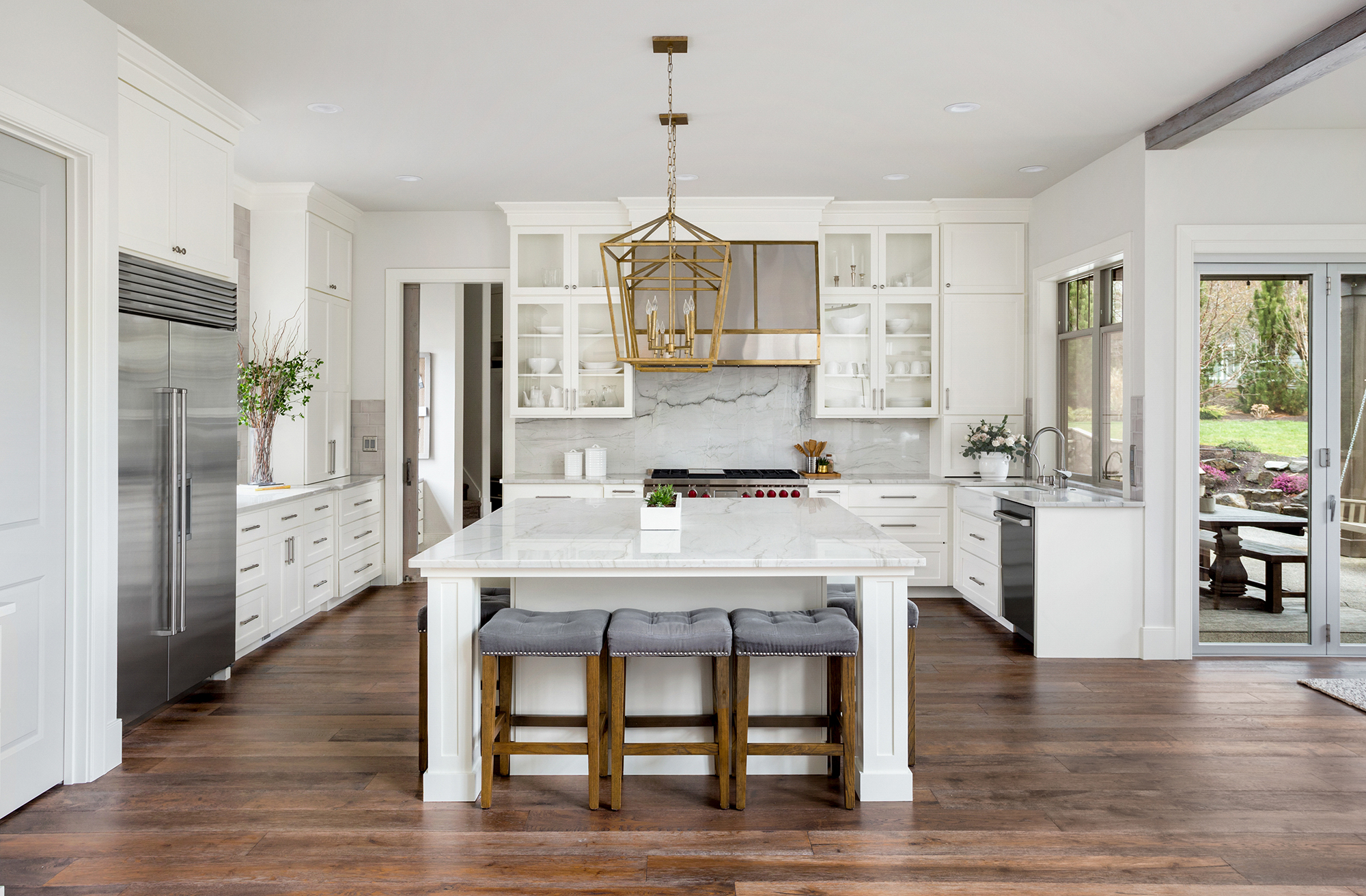
Long Island has a large share of homes built decades ago, many with basements, crawl spaces, or slab foundations that were never designed around today's moisture control standards. Choosing flooring for these spaces takes a different approach than picking a floor for a new build on a fully modern foundation.
Why Older Foundations Change the Flooring Conversation
A home built decades ago was framed and founded under different codes and different expectations than a new construction project going up today. Basements in particular tend to see more humidity swings and occasional moisture than a home built in the last ten years, simply because vapor barriers, drainage, and grading standards have changed over time.
That does not mean an older basement cannot have great flooring. It means the flooring needs to be selected with that moisture reality in mind rather than treated the same as a dry, climate controlled living room upstairs. Skipping this step is one of the most common reasons a beautiful new floor fails within a few years of installation.
Matching the Material to the Moisture Level
Not every room in an older home carries the same risk, so the right flooring choice changes room by room. A kitchen or mudroom deals with daily spills and heavy foot traffic. A finished basement deals with ambient humidity and the occasional damp day after heavy rain. Each situation calls for a different wear layer and a different core construction underneath the surface.
Waterproof luxury vinyl plank with a rigid core has become a strong option for exactly these situations, since it handles moisture underneath without swelling or gapping the way traditional hardwood or laminate can. Engineered hardwood remains a solid choice for above grade living spaces that stay dry and climate controlled year round, but it is a riskier call for a basement in an older home.
What to Check Before Ordering Flooring for a Basement
A homeowner does not need to be a construction expert to ask the right questions before a flooring order goes in. A few things are worth confirming with a designer before committing to a material:
Whether the subfloor has had any past moisture issues, even minor ones
What the wear layer and core type actually are, not just the surface finish
Whether the product carries a warranty that specifically covers below grade or basement installation
Getting clear answers on these points up front prevents a much more expensive conversation later, after a floor has already started to fail.
Considering the Whole Home, Not Just One Room
Flooring decisions rarely stop at a single room once a renovation gets underway. A homeowner replacing basement flooring often ends up thinking about the mudroom, the kitchen, and the stairs connecting the levels at the same time, especially in a home where those spaces flow into each other.
Planning flooring across several connected areas at once, rather than one room at a time, also makes it easier to keep a consistent look and avoid mismatched transitions between materials. It is worth discussing the whole project scope with a designer early, even if only one room feels urgent right now, since the material decision in one space often affects what makes sense next door.
Getting a Recommendation Based on the Actual Space
The safest way to choose flooring for an older home is to have someone look at the actual space rather than pick a material off a showroom sample alone. A finished basement in a fifty year old home and a kitchen in the same house can call for two completely different products, even though they sit under the same roof.
A recommendation built around the room, the foundation type, and how the space is actually used holds up far better over time than a one size fits all approach. This is especially true in a region like Long Island, where housing stock spans everything from postwar basements to fully modern additions, often within the same neighborhood.
Artistic Cabinetry has helped homeowners across Smithtown, St. James, Nesconset, Stony Brook, and East Setauket, NY select flooring suited to their home's age and layout, from basements to main living areas. Our design consultants walk the space first and recommend a product built for how that specific room actually performs.
If you are planning a flooring update in an older home, contact us for a free in home consultation. Explore our full flooring selection at Smithtown, NY alongside our cabinetry and countertop lines.