

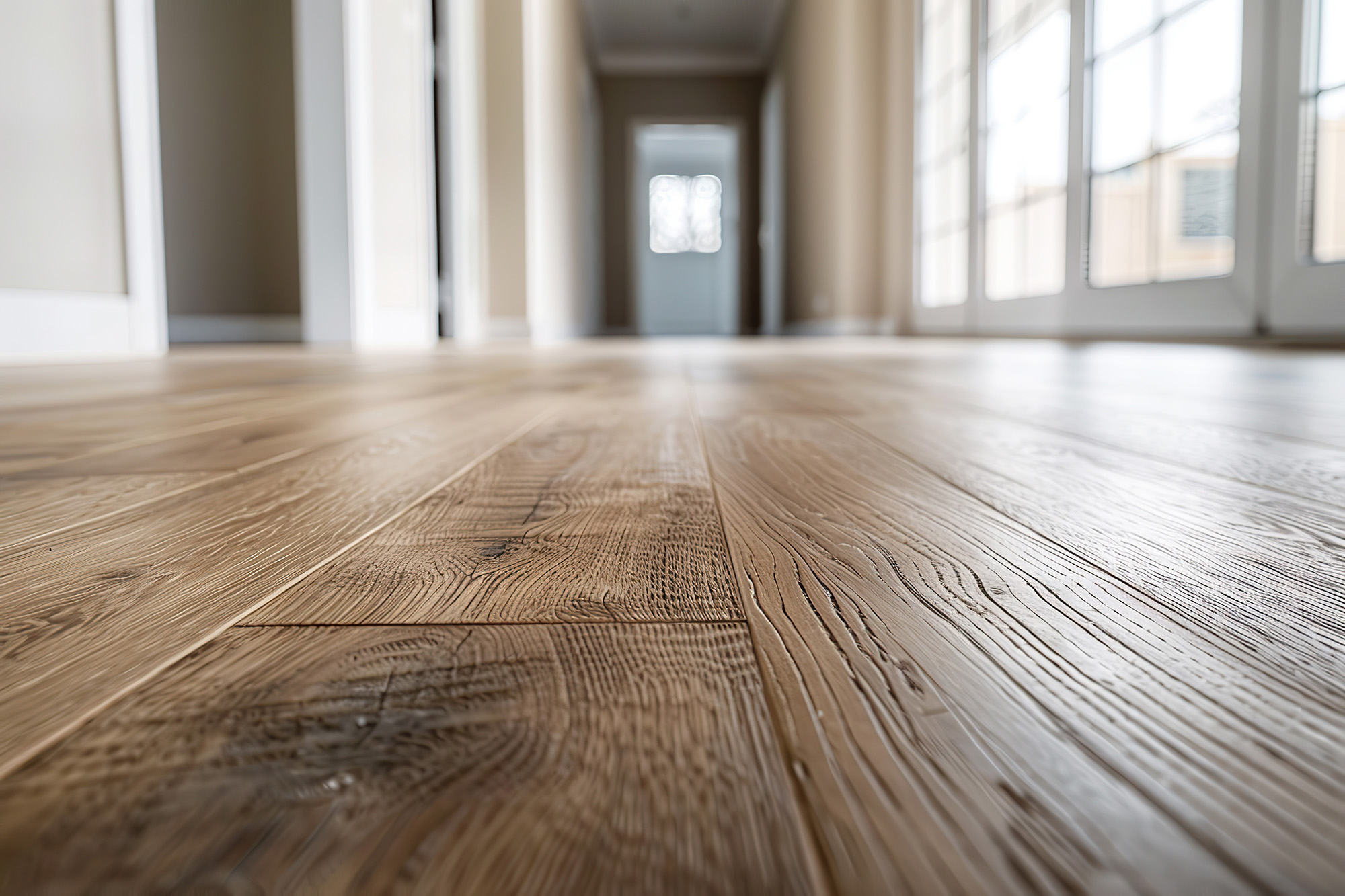
A squeaky floorboard can feel like a minor annoyance at first, the kind of thing a household simply learns to live with. Left alone long enough, though, it is worth understanding what is actually happening underneath the surface, since the cause determines whether a simple fix will do the job or something more is going on.
What Actually Causes the Squeak
Most squeaks come down to movement between the subfloor and the flooring material above it, or between the subfloor and the floor joists underneath. Over time, wood naturally contracts and expands with changes in humidity and temperature, and that movement can loosen the connection points that once held everything snugly together.
The sound itself is simply friction, wood rubbing against wood, or a nail shifting slightly against the surrounding material each time weight passes over it. It is rarely a sign of something dangerous, but it is a sign that something underneath has loosened, which is worth addressing before the movement gets worse.
When a Squeak Is a Simple Fix
In many cases, a squeak can be addressed without pulling up the flooring at all. Accessing the area from below, through a basement or crawl space, often allows loose spots to be shimmed or secured directly at the joist, which resolves the movement causing the sound.
From above, there are also products designed to secure a loose board through the surface with minimal disruption to the finish. These fixes work well when the flooring material itself is still in good condition and the issue is isolated to a small section rather than spread across the whole room.
Seasonal Changes Can Bring the Sound Back
Wood flooring naturally responds to the seasons, expanding slightly in humid months and contracting when the air turns dry, particularly during heating season. A floor that was quiet all summer can develop a new squeak in the winter simply because of this normal seasonal movement, not because anything has failed.
This does not mean every seasonal squeak needs immediate repair. Many resolve on their own as humidity levels shift back, though it is still worth keeping an eye on whether the sound fades with the season or continues to show up in the same spot every year, since a recurring squeak in one location points to something worth addressing directly.
When It Points to a Bigger Issue
A squeak that keeps spreading to new areas, or one that comes with visible gaps, unevenness, or soft spots in the floor, is telling a different story than an isolated loose board. These signs can point to more significant subfloor movement or wear that a simple fix will not resolve.
A few signs worth paying attention to:
Squeaking that has spread across multiple rooms rather than staying in one spot
Visible gaps between boards that were not there when the floor was installed
Any soft or spongy feeling underfoot, which can point to moisture damage
The right response to a squeaky floor depends entirely on what is actually happening underneath it, and that is not always visible from a quick look at the surface. A professional assessment can determine whether a targeted repair will solve the issue or whether the flooring itself has reached the point where replacement makes more sense.
Waiting too long on a spreading issue can sometimes mean more of the floor needs attention later than would have if it were addressed early, so it is worth having someone take a look rather than assuming it will resolve on its own.
Artistic Cabinetry helps homeowners throughout Smithtown, St. James, Nesconset, Stony Brook, and East Setauket, NY understand what is actually happening beneath a squeaky or aging floor, and recommends a repair or a full replacement based on the real condition, not an assumption. Our team can assess the situation and walk you through what makes sense for your home.
If a squeaky floor has been bothering you, contact us for an assessment. Explore our full flooring selection at Smithtown, NY if a replacement turns out to be the right call.